

Release the Trauma
Trapped in Your Body
The Body, Mind, Qi Way
Your Inner World Creates Your Outer Experience
Experience Our Community
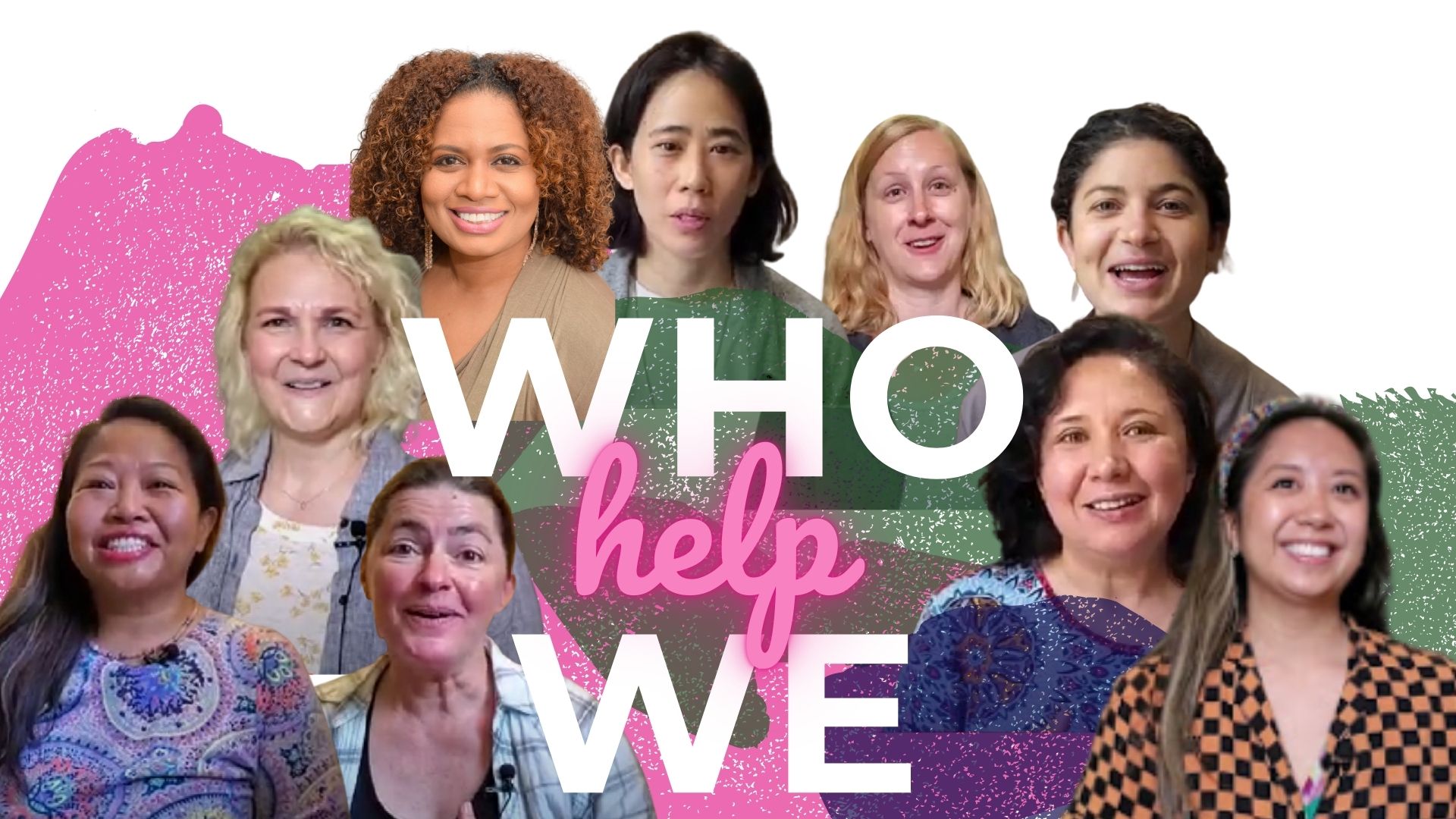
Real healing happens in community. See the faces of transformation.


About Body Wisdom Academy - Subtle Body Work™ for Trauma Release
Body Wisdom Academy specializes in Subtle Body Work™, a comprehensive trauma release methodology developed by licensed acupuncturist Leslie Huddart. Unlike traditional talk therapy that addresses only the mental layer, our approach works with the complete mind-body-spirit system where trauma is actually stored.
What is Subtle Body Work? Drawing from Chinese Medicine, Vedic traditions, and modern somatic therapeutics, Subtle Body Work™ teaches you to decode your body's unique language. Trauma isn't just a mental experience—it's encoded in multiple layers of your subtle body system, creating persistent anxiety, imposter syndrome, relationship patterns, and emotional triggers that conventional therapy often can't resolve.
Who We Serve: Empaths, healers, therapists, coaches, yoga teachers, and spiritual practitioners who've completed certifications and therapy but still feel stuck. Our clients report releasing lifelong trauma blocks in months rather than years, experiencing lasting inner peace, clarity on life purpose, and freedom from generational patterns.
Our Programs: 16-week certification training, Coach Practitioner training track, individual coaching sessions, and community support for both personal healing and professional development. Learn repeatable techniques to dissolve triggers at their source—not just manage symptoms—using evidence-based methods rooted in ancient wisdom and clinical practice.
Empaths. Healers. Seekers.
You Already Feel the Call.
Healing is a sacred calling—and your subtle body may be the missing key to true transformation.
"Your subtle body is either your superpower or your biggest block."
Therapy, Yoga, Coaching…
Still Feeling Stuck?
You've done the trainings, certifications, and energy work—but something still feels off.
Most healing methods miss the subtle body, the system where mind, body, and spirit actually integrate. Without it, results remain partial.
Is This You?
You're not broken. You're ready for next-level transformation.
You've Done Therapy
And found it helpful, but it didn't quite get you to where you want to be
You've Done Training & Certifications
Life coaching, yoga teacher, nutrition, reiki... you name it, but are still struggling with some things
Your Life Looks Good From the Outside
But you feel like an imposter, like something is missing or not quite right
Real Transformations From Real People
150+ Verified Training Results from Therapists, Healers & Empaths
"I had tried therapy for over 10 years with no huge life-changing results... I finally, for the first time, feel free from lifelong issues that were holding me back."
Holistic Health Coach

"Now when triggers come up, I'm able to easily work through them and let them go, instead of it being the thing that I do for three days."
TEDx Organizer

"Leslie is a true healer... no one else can do what she does."
Client
What Subtle Body Work™ Does
Subtle Body Work™ helps you release trauma blocks faster and deeper than typical methods—so you can finally feel confident, calm and soul-aligned in your life.
Your subtle body is the technical side of how your mind-body-spirit system are wired together from an ancient eastern wisdom tradition lens. We are the intersection of modern science and ancient spirituality.
How Subtle Body Work™ Actually Works
A proven, step-by-step methodology for lasting transformation
Embodiment & Reconnection
You learn to safely come back into your body, feel and map your sensations, and work with your energy system so you can shift how you feel in the moment and no longer get stuck in endless spirals.
Getting to the Hidden Source
Once your system has some safety and skill, we guide you step by step into the deeper layers where your old patterns and triggers are held, and teach you how to release them at the root.
Integration into Real Life
We help you bring this into relationships, boundaries, work, purpose, and your actual day-to-day life so change is not just internal, but shows up in how you live and choose.
This isn't theory. This is real-life applicable work that creates measurable results.
Is Subtle Body Work™ Right For You?
✓ This is For You If...
- You're a healer, empath, therapist, coach, or spiritual practitioner
- You've done years of therapy but still feel stuck in certain patterns
- You want certification-level training you can use with yourself AND clients
- You're ready to go deeper than talk therapy or typical coaching
- You sense there's a missing piece in your healing journey
- You want measurable results, not just insights
- You're committed to doing real inner work
✗ This is NOT For You If...
- You're looking for quick fixes or magic pills
- You're not ready to feel and process emotions
- You want someone else to "fix" you without your participation
- You're in active crisis (we can refer you to appropriate resources)
- You're not open to working with energy and the subtle body
- You prefer to stay in intellectual understanding only
- You're not willing to invest time and energy into your healing

Meet Your Guide & Our Founder
Leslie Huddart, L.Ac., MAOM
Founder of Body Wisdom Academy & Creator of Subtle Body Work™
I am a natural health expert and spiritual guide who combines ancient healing wisdom, modern neuroscience, and mindfulness to get you healing results where other methods have failed.
My specialty is helping fellow healers and empaths take the shortcut to personal success, soul alignment, true confidence, and freedom from anxiety and insecurity.
I know what it's like to struggle because I've been there myself. I grew up as an unguided empath struggling with family dynamics, an unbalanced relationship with food, and disappointing romantic relationships. All these struggles pushed me to dive into yoga, spiritual study, and the healing arts.
Over the past 20+ years of working with clients in my mind-body healing and natural health practice, I've developed a system of working with the subtle body that will amplify your healing to help you get to where you're truly meant to be.
"Together, we'll heal and release the issues stuck in your mind-body-spirit system that have been secretly holding you back."
Now, we're training a community of powerful healers to take this work into the world for themselves and others. Are you our next Soul Warrior?
Work With Us
Whether you're looking for personal transformation or professional certification, we have a path for you.
16-Week Certification Training
Our comprehensive Body Wisdom Academy program where you'll master Subtle Body Work™ and earn certification to use these techniques with yourself and clients.
- 16-week intensive training program
- 1:1 Coach Practitioner sessions included
- Weekly community practice calls
- Full 9-gateway Subtle Body curriculum
- Foundations Level 1 Certification
- Lifetime access to all materials
- Track 31 metrics across 8 life areas
Coach Practitioner Training
Advanced training for coaches, therapists, and healers who want to integrate Subtle Body Work™ into their professional practice.
- Advanced certification pathway
- Healing practice positioning guidance
- Client session frameworks
- Marketing and positioning guidance
- Ongoing mentorship
- Professional liability coverage guidance
1:1 Private Sessions
Work directly with Leslie Huddart or one of our master-trained coaches for personalized, deep healing work.
- Personalized one-on-one attention
- Customized to your specific needs
- Flexible scheduling
- Deep trauma release work
- Business and purpose clarity
- Relationship healing
Hear From Our Clients
Real stories of transformation from real people
Holistic Nutritionist
"I've paid for other stuff with other folks who kind of claim to help"
Acupuncturist
"Real healing from someone who understands the subtle body"
Yoga Teacher / Ayurvedic Practitioner
"Practical day-to-day tools that bring me back to alignment"
Nurse / Reflexologist
"Deep healing for practitioners who understand energy work"
Lana - Therapist
"Migraines, a different approach that actually works"
Anxiety Relief
"Finally free from anxiety that held me back for years"
How It's Different
"Understanding why this approach works when others don't"
Leslie's YouTube Channel
Get free videos on healing, trauma release, and embodied living
Frequently Asked Questions
Get 7 Days of FREE Subtle Body Re-Wiring Audios
For Empaths, Healers, and Seekers Interested in Lasting Results
Ready to Stop Feeling Stuck?
You've done the trainings. You've read the books. You've tried therapy. Now it's time to work with your subtle body and finally release what's been holding you back.
Not sure where to start? Book a complimentary advisory session to find your best path forward.
Healing Truths
Healthy Conflict | What To Do When You Upset Someone
Leslie Huddart L.Ac.
Healthy Conflict | What To Do When You Upset Someone
I'm going to give you three key things that you need to not only deal with conflict, but maybe even prevent it.
The benefit of knowing this information is that you can finally be calmer as you're going through a conflict or kind of rough conversation process.
Stop losing sleep, stop worrying about what's happening because most of us avoid conflict above all else.
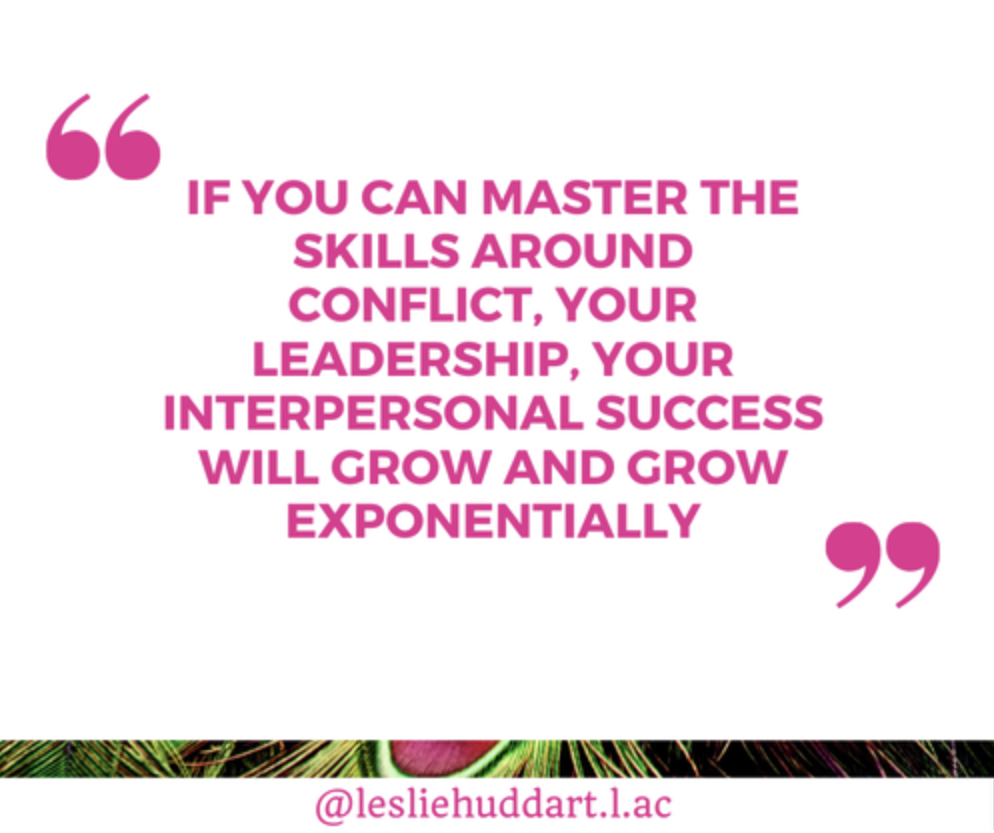
The truth is that conflict is really a part of life. If you can master these skills around conflict, your leadership, your interpersonal success will grow and grow exponentially.
Now, conflict is not really a super party fun subject for most people. Most people avoid and fear conflict kind of like the plague. I'm sure it's up there close to public speaking and death on fears and things that people don't want to deal with. But the truth is, is that conflict happen.
Actually just the other day, I got an email from someone. We're both working on this group project of this organization that I'm loosely involved with and another woman is in charge of things.
She asked me to help out and I did something that we hadn't discussed and she was like, "Wow, I'm really surprised that you did that. I don't really want you to do that" and I got this email just before I went to bed.
Thankfully, I've been practicing over the years because conflict isn't something that always was super easy for me. I now have a comfort and actually kind of like a curiosity sometimes with conflict that helps me to regulate my system around that.
What's Going On Inside Yourself
The first key skill when conflict is happening is that you need to notice what's going on inside yourself.
Now this might seem simple, but it's not. This is a combination of several mind-body skills. This involves two major mind-body-spirit system components.
One of which you have more control over. The other one not so much.
This falls into the realm of mindfulness or the ability to really monitor and move your attention through different parts of what you're feeling, which means not just your thoughts, but maybe also your emotions or the sensations that are happening in your body. This as a global term we call Mindfulness.
You have to be able to have a certain level of mind-body connection that's working well. Now part of this is a little bit out of your control. This is what I would call the "state of your mind body system".
Our mind-body-system or our Subtle Body has a technical wiring or a way that it works. For some people that's not well- honed.
Maybe there's been some damage, maybe there's been some trauma.
To a certain degree you have control over your mindfulness. That's always a skill that you can build and heal. It also depends on the current state of your subtle body.
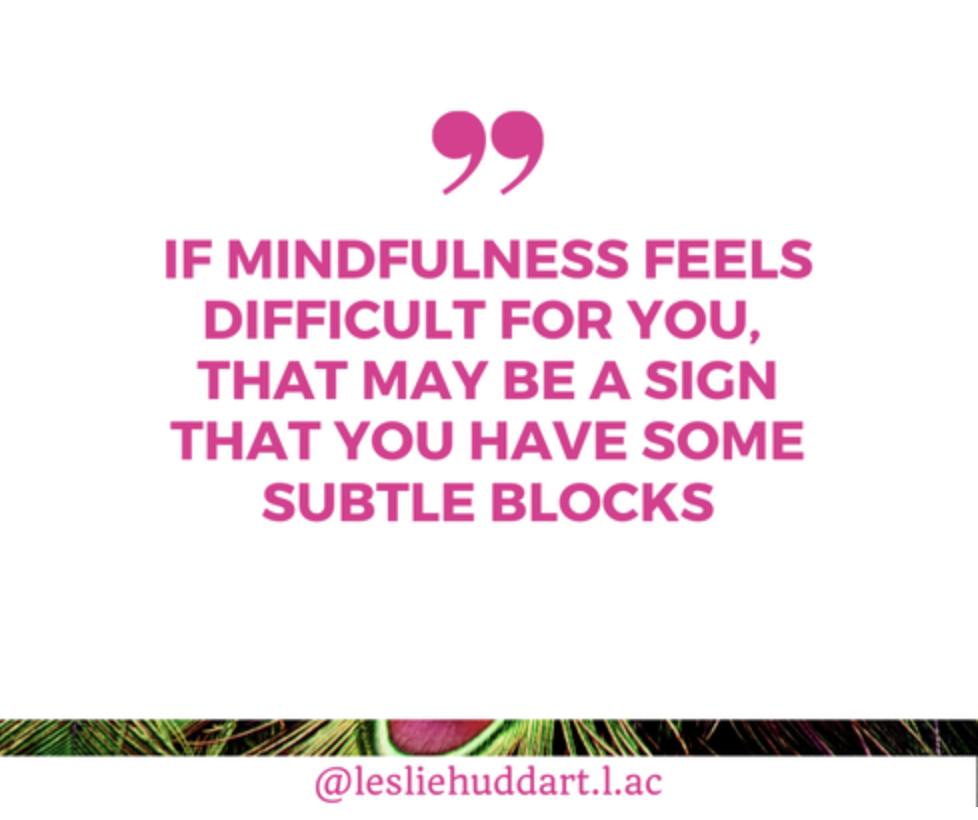
If mindfulness feels very, very difficult for you, that may be a sign that you have some subtle blocks and need to work with someone who knows about those. This is what I do in my job, so I know these things very well.
The other part is something that you totally have control about and that is your Observer Mind. Your ability to instead of focusing outward, to turn that around and look inwards and have this experience of, "Huh, that's interesting", and notice what happens inside of you before you react.
This is the key foundation for dealing with conflict because if you don't have this mindfulness in yourself, you automatically go into reaction, which usually makes the conflict a lot worse.
So number one skill, you've got to be able to notice yourself in that mind-body-spirit kind of integrated component with your Observer Mind. Number two, you need to notice or track what's happening with the other person.
Now, this doesn't mean you have to know exactly. You don't have to be psychic to know what's happening with them, but you have to kind of pay attention.
If you're in-person with them, you can notice, does their body language shift and get more tense? Did they kind of lose their train of thought? Did something shift with them after you said something that gives your inner awareness, that Observer Mind a little marker that "Wait a minute, something's happening with this person". This is a key skill for navigating conflict.
What's Happening With The Other Person
Now, number two is something that empaths and sensitive people do well. We're really good at tracking with what is happening with the other person.
But if you're an empathic person, you feel like, "Oh, I track too much with the other person", go back to step number one and make sure not only are you aware of where and how you're doing on the inside, but make sure that you haven't disassociated, or jumped out of your body energetically.
You need both of those. Tracking with someone else is not enough, and just tracking with yourself also is the most important, but you need both of those components.
Go Back!
Number three, you need the verbal ability to go back and reference things objectively.
What this means is actually practicing the verbal skill. I teach this a lot in what I call Energetic Communication of going back to the scene of the crime as it were, the scene of the offense or the conflict, and describing things very objectively so that what that means is giving an objective play by play.
"Hey, when I sent you that email, I noticed that your response seemed a little bit heated" or "When I said that thing about your mother-in-law, I noticed that you stop talking and I'm wondering if there's something going on or if I offended you in some way".
There's three basic components that we're using in this last describing the situation.
Remember, their objective and the basic framework is THIS THING HAPPENED, I NOTICED THIS or I FELT THIS IN MYSELF, and I'M JUST CHECKING WITH YOU WHAT HAPPENED.
Those three components, this happened when this happened, this is what I noticed what seemed to be happening with you or what was most importantly happening with me and here's a question to someone else and to get the feedback of what's actually happening.
If you can start to develop these three skills, your ability with conflict in your success in life and interpersonal relationships will skyrocket and remember, you don't have to do it all at once.
It's little by little. What I do for myself is every time I have a difficult conversation with someone, what I'm looking for in myself is just, "Did I do it a little better than I did it last time?"
Only use yourself as the guide and you'll find your own success.
I would love to be of service to you on your personal and spiritual growth path. I am sending you lots of love!

--->RELEASE THE TRAPPED TRAUMA FROM YOUR BODY (WITHOUT YEARS OF THERAPY)<---
Disclaimer: This program is not intended to be a substitute for professional mental health or counseling services. No practitioner-patient relationship is established and the training content is for educational purposes only and does not constitute medical advice. These statements have not been evaluated by the FDA and nothing here is intended to diagnose, cure or treat any disorders.
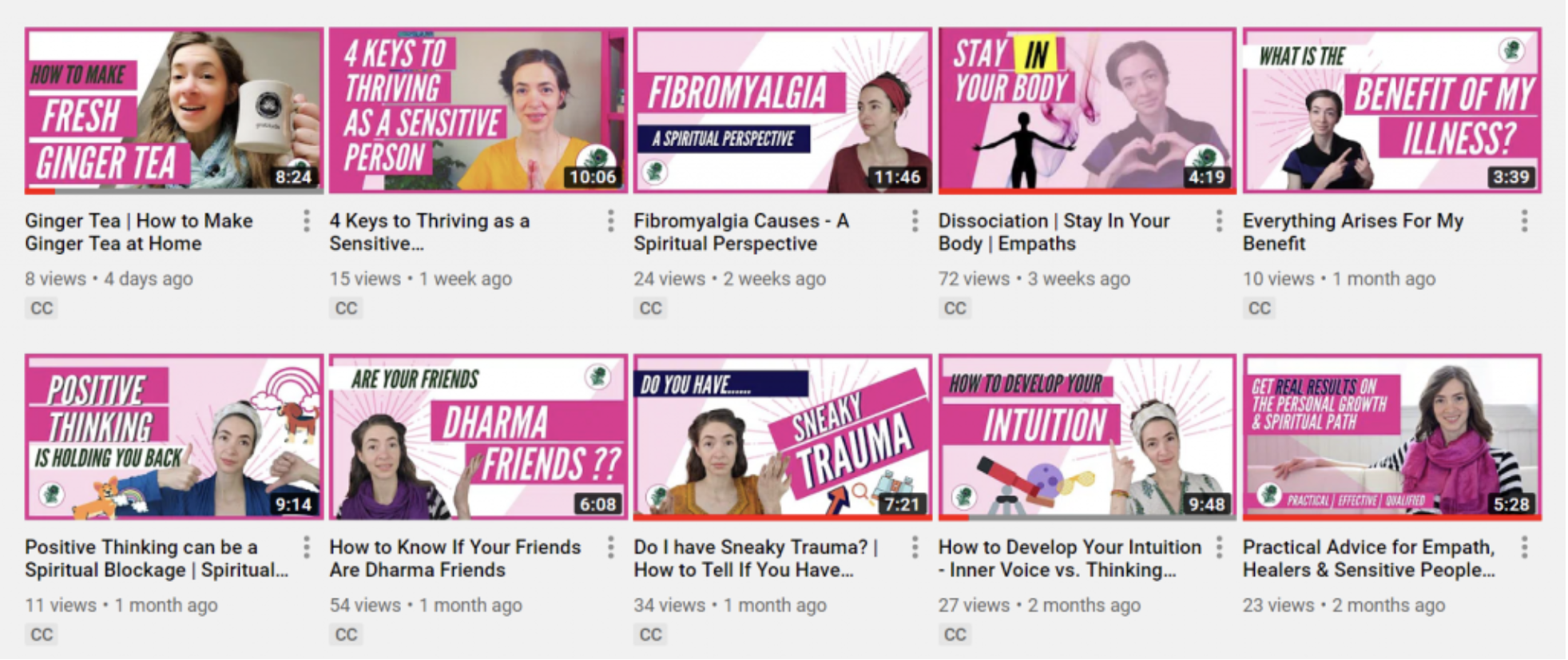
Watch Leslie Huddart L.Ac. YouTube Videos
Facebook. Instagram Youtube Website

Guide for Empaths
Healthy Conflict | What To Do When You Upset Someone
Leslie Huddart L.Ac.
Healthy Conflict | What To Do When You Upset Someone
I'm going to give you three key things that you need to not only deal with conflict, but maybe even prevent it.
The benefit of knowing this information is that you can finally be calmer as you're going through a conflict or kind of rough conversation process.
Stop losing sleep, stop worrying about what's happening because most of us avoid conflict above all else.
The truth is that conflict is really a part of life. If you can master these skills around conflict, your leadership, your interpersonal success will grow and grow exponentially.
Now, conflict is not really a super party fun subject for most people. Most people avoid and fear conflict kind of like the plague. I'm sure it's up there close to public speaking and death on fears and things that people don't want to deal with. But the truth is, is that conflict happen.
Actually just the other day, I got an email from someone. We're both working on this group project of this organization that I'm loosely involved with and another woman is in charge of things.
She asked me to help out and I did something that we hadn't discussed and she was like, "Wow, I'm really surprised that you did that. I don't really want you to do that" and I got this email just before I went to bed.
Thankfully, I've been practicing over the years because conflict isn't something that always was super easy for me. I now have a comfort and actually kind of like a curiosity sometimes with conflict that helps me to regulate my system around that.
What's Going On Inside Yourself
The first key skill when conflict is happening is that you need to notice what's going on inside yourself.
Now this might seem simple, but it's not. This is a combination of several mind-body skills. This involves two major mind-body-spirit system components.
One of which you have more control over. The other one not so much.
This falls into the realm of mindfulness or the ability to really monitor and move your attention through different parts of what you're feeling, which means not just your thoughts, but maybe also your emotions or the sensations that are happening in your body. This as a global term we call Mindfulness.
You have to be able to have a certain level of mind-body connection that's working well. Now part of this is a little bit out of your control. This is what I would call the "state of your mind body system".
Our mind-body-system or our Subtle Body has a technical wiring or a way that it works. For some people that's not well- honed.
Maybe there's been some damage, maybe there's been some trauma.
To a certain degree you have control over your mindfulness. That's always a skill that you can build and heal. It also depends on the current state of your subtle body.
If mindfulness feels very, very difficult for you, that may be a sign that you have some subtle blocks and need to work with someone who knows about those. This is what I do in my job, so I know these things very well.
The other part is something that you totally have control about and that is your Observer Mind. Your ability to instead of focusing outward, to turn that around and look inwards and have this experience of, "Huh, that's interesting", and notice what happens inside of you before you react.
This is the key foundation for dealing with conflict because if you don't have this mindfulness in yourself, you automatically go into reaction, which usually makes the conflict a lot worse.
So number one skill, you've got to be able to notice yourself in that mind-body-spirit kind of integrated component with your Observer Mind. Number two, you need to notice or track what's happening with the other person.
Now, this doesn't mean you have to know exactly. You don't have to be psychic to know what's happening with them, but you have to kind of pay attention.
If you're in-person with them, you can notice, does their body language shift and get more tense? Did they kind of lose their train of thought? Did something shift with them after you said something that gives your inner awareness, that Observer Mind a little marker that "Wait a minute, something's happening with this person". This is a key skill for navigating conflict.
What's Happening With The Other Person
Now, number two is something that empaths and sensitive people do well. We're really good at tracking with what is happening with the other person.
But if you're an empathic person, you feel like, "Oh, I track too much with the other person", go back to step number one and make sure not only are you aware of where and how you're doing on the inside, but make sure that you haven't disassociated, or jumped out of your body energetically.
You need both of those. Tracking with someone else is not enough, and just tracking with yourself also is the most important, but you need both of those components.
Go Back!
Number three, you need the verbal ability to go back and reference things objectively.
What this means is actually practicing the verbal skill. I teach this a lot in what I call Energetic Communication of going back to the scene of the crime as it were, the scene of the offense or the conflict, and describing things very objectively so that what that means is giving an objective play by play.
"Hey, when I sent you that email, I noticed that your response seemed a little bit heated" or "When I said that thing about your mother-in-law, I noticed that you stop talking and I'm wondering if there's something going on or if I offended you in some way".
There's three basic components that we're using in this last describing the situation.
Remember, their objective and the basic framework is THIS THING HAPPENED, I NOTICED THIS or I FELT THIS IN MYSELF, and I'M JUST CHECKING WITH YOU WHAT HAPPENED.
Those three components, this happened when this happened, this is what I noticed what seemed to be happening with you or what was most importantly happening with me and here's a question to someone else and to get the feedback of what's actually happening.
If you can start to develop these three skills, your ability with conflict in your success in life and interpersonal relationships will skyrocket and remember, you don't have to do it all at once.
It's little by little. What I do for myself is every time I have a difficult conversation with someone, what I'm looking for in myself is just, "Did I do it a little better than I did it last time?"
Only use yourself as the guide and you'll find your own success.
I would love to be of service to you on your personal and spiritual growth path. I am sending you lots of love!
--->RELEASE THE TRAPPED TRAUMA FROM YOUR BODY (WITHOUT YEARS OF THERAPY)<---
Disclaimer: This program is not intended to be a substitute for professional mental health or counseling services. No practitioner-patient relationship is established and the training content is for educational purposes only and does not constitute medical advice. These statements have not been evaluated by the FDA and nothing here is intended to diagnose, cure or treat any disorders.
Watch Leslie Huddart L.Ac. YouTube Videos
Facebook. Instagram Youtube Website
Dating for Empaths
Healthy Conflict | What To Do When You Upset Someone
Leslie Huddart L.Ac.
Healthy Conflict | What To Do When You Upset Someone
I'm going to give you three key things that you need to not only deal with conflict, but maybe even prevent it.
The benefit of knowing this information is that you can finally be calmer as you're going through a conflict or kind of rough conversation process.
Stop losing sleep, stop worrying about what's happening because most of us avoid conflict above all else.
The truth is that conflict is really a part of life. If you can master these skills around conflict, your leadership, your interpersonal success will grow and grow exponentially.
Now, conflict is not really a super party fun subject for most people. Most people avoid and fear conflict kind of like the plague. I'm sure it's up there close to public speaking and death on fears and things that people don't want to deal with. But the truth is, is that conflict happen.
Actually just the other day, I got an email from someone. We're both working on this group project of this organization that I'm loosely involved with and another woman is in charge of things.
She asked me to help out and I did something that we hadn't discussed and she was like, "Wow, I'm really surprised that you did that. I don't really want you to do that" and I got this email just before I went to bed.
Thankfully, I've been practicing over the years because conflict isn't something that always was super easy for me. I now have a comfort and actually kind of like a curiosity sometimes with conflict that helps me to regulate my system around that.
What's Going On Inside Yourself
The first key skill when conflict is happening is that you need to notice what's going on inside yourself.
Now this might seem simple, but it's not. This is a combination of several mind-body skills. This involves two major mind-body-spirit system components.
One of which you have more control over. The other one not so much.
This falls into the realm of mindfulness or the ability to really monitor and move your attention through different parts of what you're feeling, which means not just your thoughts, but maybe also your emotions or the sensations that are happening in your body. This as a global term we call Mindfulness.
You have to be able to have a certain level of mind-body connection that's working well. Now part of this is a little bit out of your control. This is what I would call the "state of your mind body system".
Our mind-body-system or our Subtle Body has a technical wiring or a way that it works. For some people that's not well- honed.
Maybe there's been some damage, maybe there's been some trauma.
To a certain degree you have control over your mindfulness. That's always a skill that you can build and heal. It also depends on the current state of your subtle body.
If mindfulness feels very, very difficult for you, that may be a sign that you have some subtle blocks and need to work with someone who knows about those. This is what I do in my job, so I know these things very well.
The other part is something that you totally have control about and that is your Observer Mind. Your ability to instead of focusing outward, to turn that around and look inwards and have this experience of, "Huh, that's interesting", and notice what happens inside of you before you react.
This is the key foundation for dealing with conflict because if you don't have this mindfulness in yourself, you automatically go into reaction, which usually makes the conflict a lot worse.
So number one skill, you've got to be able to notice yourself in that mind-body-spirit kind of integrated component with your Observer Mind. Number two, you need to notice or track what's happening with the other person.
Now, this doesn't mean you have to know exactly. You don't have to be psychic to know what's happening with them, but you have to kind of pay attention.
If you're in-person with them, you can notice, does their body language shift and get more tense? Did they kind of lose their train of thought? Did something shift with them after you said something that gives your inner awareness, that Observer Mind a little marker that "Wait a minute, something's happening with this person". This is a key skill for navigating conflict.
What's Happening With The Other Person
Now, number two is something that empaths and sensitive people do well. We're really good at tracking with what is happening with the other person.
But if you're an empathic person, you feel like, "Oh, I track too much with the other person", go back to step number one and make sure not only are you aware of where and how you're doing on the inside, but make sure that you haven't disassociated, or jumped out of your body energetically.
You need both of those. Tracking with someone else is not enough, and just tracking with yourself also is the most important, but you need both of those components.
Go Back!
Number three, you need the verbal ability to go back and reference things objectively.
What this means is actually practicing the verbal skill. I teach this a lot in what I call Energetic Communication of going back to the scene of the crime as it were, the scene of the offense or the conflict, and describing things very objectively so that what that means is giving an objective play by play.
"Hey, when I sent you that email, I noticed that your response seemed a little bit heated" or "When I said that thing about your mother-in-law, I noticed that you stop talking and I'm wondering if there's something going on or if I offended you in some way".
There's three basic components that we're using in this last describing the situation.
Remember, their objective and the basic framework is THIS THING HAPPENED, I NOTICED THIS or I FELT THIS IN MYSELF, and I'M JUST CHECKING WITH YOU WHAT HAPPENED.
Those three components, this happened when this happened, this is what I noticed what seemed to be happening with you or what was most importantly happening with me and here's a question to someone else and to get the feedback of what's actually happening.
If you can start to develop these three skills, your ability with conflict in your success in life and interpersonal relationships will skyrocket and remember, you don't have to do it all at once.
It's little by little. What I do for myself is every time I have a difficult conversation with someone, what I'm looking for in myself is just, "Did I do it a little better than I did it last time?"
Only use yourself as the guide and you'll find your own success.
I would love to be of service to you on your personal and spiritual growth path. I am sending you lots of love!
--->RELEASE THE TRAPPED TRAUMA FROM YOUR BODY (WITHOUT YEARS OF THERAPY)<---
Disclaimer: This program is not intended to be a substitute for professional mental health or counseling services. No practitioner-patient relationship is established and the training content is for educational purposes only and does not constitute medical advice. These statements have not been evaluated by the FDA and nothing here is intended to diagnose, cure or treat any disorders.
Watch Leslie Huddart L.Ac. YouTube Videos
Facebook. Instagram Youtube Website
Chronic Pain
Healthy Conflict | What To Do When You Upset Someone
Leslie Huddart L.Ac.
Healthy Conflict | What To Do When You Upset Someone
I'm going to give you three key things that you need to not only deal with conflict, but maybe even prevent it.
The benefit of knowing this information is that you can finally be calmer as you're going through a conflict or kind of rough conversation process.
Stop losing sleep, stop worrying about what's happening because most of us avoid conflict above all else.
The truth is that conflict is really a part of life. If you can master these skills around conflict, your leadership, your interpersonal success will grow and grow exponentially.
Now, conflict is not really a super party fun subject for most people. Most people avoid and fear conflict kind of like the plague. I'm sure it's up there close to public speaking and death on fears and things that people don't want to deal with. But the truth is, is that conflict happen.
Actually just the other day, I got an email from someone. We're both working on this group project of this organization that I'm loosely involved with and another woman is in charge of things.
She asked me to help out and I did something that we hadn't discussed and she was like, "Wow, I'm really surprised that you did that. I don't really want you to do that" and I got this email just before I went to bed.
Thankfully, I've been practicing over the years because conflict isn't something that always was super easy for me. I now have a comfort and actually kind of like a curiosity sometimes with conflict that helps me to regulate my system around that.
What's Going On Inside Yourself
The first key skill when conflict is happening is that you need to notice what's going on inside yourself.
Now this might seem simple, but it's not. This is a combination of several mind-body skills. This involves two major mind-body-spirit system components.
One of which you have more control over. The other one not so much.
This falls into the realm of mindfulness or the ability to really monitor and move your attention through different parts of what you're feeling, which means not just your thoughts, but maybe also your emotions or the sensations that are happening in your body. This as a global term we call Mindfulness.
You have to be able to have a certain level of mind-body connection that's working well. Now part of this is a little bit out of your control. This is what I would call the "state of your mind body system".
Our mind-body-system or our Subtle Body has a technical wiring or a way that it works. For some people that's not well- honed.
Maybe there's been some damage, maybe there's been some trauma.
To a certain degree you have control over your mindfulness. That's always a skill that you can build and heal. It also depends on the current state of your subtle body.
If mindfulness feels very, very difficult for you, that may be a sign that you have some subtle blocks and need to work with someone who knows about those. This is what I do in my job, so I know these things very well.
The other part is something that you totally have control about and that is your Observer Mind. Your ability to instead of focusing outward, to turn that around and look inwards and have this experience of, "Huh, that's interesting", and notice what happens inside of you before you react.
This is the key foundation for dealing with conflict because if you don't have this mindfulness in yourself, you automatically go into reaction, which usually makes the conflict a lot worse.
So number one skill, you've got to be able to notice yourself in that mind-body-spirit kind of integrated component with your Observer Mind. Number two, you need to notice or track what's happening with the other person.
Now, this doesn't mean you have to know exactly. You don't have to be psychic to know what's happening with them, but you have to kind of pay attention.
If you're in-person with them, you can notice, does their body language shift and get more tense? Did they kind of lose their train of thought? Did something shift with them after you said something that gives your inner awareness, that Observer Mind a little marker that "Wait a minute, something's happening with this person". This is a key skill for navigating conflict.
What's Happening With The Other Person
Now, number two is something that empaths and sensitive people do well. We're really good at tracking with what is happening with the other person.
But if you're an empathic person, you feel like, "Oh, I track too much with the other person", go back to step number one and make sure not only are you aware of where and how you're doing on the inside, but make sure that you haven't disassociated, or jumped out of your body energetically.
You need both of those. Tracking with someone else is not enough, and just tracking with yourself also is the most important, but you need both of those components.
Go Back!
Number three, you need the verbal ability to go back and reference things objectively.
What this means is actually practicing the verbal skill. I teach this a lot in what I call Energetic Communication of going back to the scene of the crime as it were, the scene of the offense or the conflict, and describing things very objectively so that what that means is giving an objective play by play.
"Hey, when I sent you that email, I noticed that your response seemed a little bit heated" or "When I said that thing about your mother-in-law, I noticed that you stop talking and I'm wondering if there's something going on or if I offended you in some way".
There's three basic components that we're using in this last describing the situation.
Remember, their objective and the basic framework is THIS THING HAPPENED, I NOTICED THIS or I FELT THIS IN MYSELF, and I'M JUST CHECKING WITH YOU WHAT HAPPENED.
Those three components, this happened when this happened, this is what I noticed what seemed to be happening with you or what was most importantly happening with me and here's a question to someone else and to get the feedback of what's actually happening.
If you can start to develop these three skills, your ability with conflict in your success in life and interpersonal relationships will skyrocket and remember, you don't have to do it all at once.
It's little by little. What I do for myself is every time I have a difficult conversation with someone, what I'm looking for in myself is just, "Did I do it a little better than I did it last time?"
Only use yourself as the guide and you'll find your own success.
I would love to be of service to you on your personal and spiritual growth path. I am sending you lots of love!
--->RELEASE THE TRAPPED TRAUMA FROM YOUR BODY (WITHOUT YEARS OF THERAPY)<---
Disclaimer: This program is not intended to be a substitute for professional mental health or counseling services. No practitioner-patient relationship is established and the training content is for educational purposes only and does not constitute medical advice. These statements have not been evaluated by the FDA and nothing here is intended to diagnose, cure or treat any disorders.
Watch Leslie Huddart L.Ac. YouTube Videos
Facebook. Instagram Youtube Website
Spiritual but Not Religious
Healthy Conflict | What To Do When You Upset Someone
Leslie Huddart L.Ac.
Healthy Conflict | What To Do When You Upset Someone
I'm going to give you three key things that you need to not only deal with conflict, but maybe even prevent it.
The benefit of knowing this information is that you can finally be calmer as you're going through a conflict or kind of rough conversation process.
Stop losing sleep, stop worrying about what's happening because most of us avoid conflict above all else.
The truth is that conflict is really a part of life. If you can master these skills around conflict, your leadership, your interpersonal success will grow and grow exponentially.
Now, conflict is not really a super party fun subject for most people. Most people avoid and fear conflict kind of like the plague. I'm sure it's up there close to public speaking and death on fears and things that people don't want to deal with. But the truth is, is that conflict happen.
Actually just the other day, I got an email from someone. We're both working on this group project of this organization that I'm loosely involved with and another woman is in charge of things.
She asked me to help out and I did something that we hadn't discussed and she was like, "Wow, I'm really surprised that you did that. I don't really want you to do that" and I got this email just before I went to bed.
Thankfully, I've been practicing over the years because conflict isn't something that always was super easy for me. I now have a comfort and actually kind of like a curiosity sometimes with conflict that helps me to regulate my system around that.
What's Going On Inside Yourself
The first key skill when conflict is happening is that you need to notice what's going on inside yourself.
Now this might seem simple, but it's not. This is a combination of several mind-body skills. This involves two major mind-body-spirit system components.
One of which you have more control over. The other one not so much.
This falls into the realm of mindfulness or the ability to really monitor and move your attention through different parts of what you're feeling, which means not just your thoughts, but maybe also your emotions or the sensations that are happening in your body. This as a global term we call Mindfulness.
You have to be able to have a certain level of mind-body connection that's working well. Now part of this is a little bit out of your control. This is what I would call the "state of your mind body system".
Our mind-body-system or our Subtle Body has a technical wiring or a way that it works. For some people that's not well- honed.
Maybe there's been some damage, maybe there's been some trauma.
To a certain degree you have control over your mindfulness. That's always a skill that you can build and heal. It also depends on the current state of your subtle body.
If mindfulness feels very, very difficult for you, that may be a sign that you have some subtle blocks and need to work with someone who knows about those. This is what I do in my job, so I know these things very well.
The other part is something that you totally have control about and that is your Observer Mind. Your ability to instead of focusing outward, to turn that around and look inwards and have this experience of, "Huh, that's interesting", and notice what happens inside of you before you react.
This is the key foundation for dealing with conflict because if you don't have this mindfulness in yourself, you automatically go into reaction, which usually makes the conflict a lot worse.
So number one skill, you've got to be able to notice yourself in that mind-body-spirit kind of integrated component with your Observer Mind. Number two, you need to notice or track what's happening with the other person.
Now, this doesn't mean you have to know exactly. You don't have to be psychic to know what's happening with them, but you have to kind of pay attention.
If you're in-person with them, you can notice, does their body language shift and get more tense? Did they kind of lose their train of thought? Did something shift with them after you said something that gives your inner awareness, that Observer Mind a little marker that "Wait a minute, something's happening with this person". This is a key skill for navigating conflict.
What's Happening With The Other Person
Now, number two is something that empaths and sensitive people do well. We're really good at tracking with what is happening with the other person.
But if you're an empathic person, you feel like, "Oh, I track too much with the other person", go back to step number one and make sure not only are you aware of where and how you're doing on the inside, but make sure that you haven't disassociated, or jumped out of your body energetically.
You need both of those. Tracking with someone else is not enough, and just tracking with yourself also is the most important, but you need both of those components.
Go Back!
Number three, you need the verbal ability to go back and reference things objectively.
What this means is actually practicing the verbal skill. I teach this a lot in what I call Energetic Communication of going back to the scene of the crime as it were, the scene of the offense or the conflict, and describing things very objectively so that what that means is giving an objective play by play.
"Hey, when I sent you that email, I noticed that your response seemed a little bit heated" or "When I said that thing about your mother-in-law, I noticed that you stop talking and I'm wondering if there's something going on or if I offended you in some way".
There's three basic components that we're using in this last describing the situation.
Remember, their objective and the basic framework is THIS THING HAPPENED, I NOTICED THIS or I FELT THIS IN MYSELF, and I'M JUST CHECKING WITH YOU WHAT HAPPENED.
Those three components, this happened when this happened, this is what I noticed what seemed to be happening with you or what was most importantly happening with me and here's a question to someone else and to get the feedback of what's actually happening.
If you can start to develop these three skills, your ability with conflict in your success in life and interpersonal relationships will skyrocket and remember, you don't have to do it all at once.
It's little by little. What I do for myself is every time I have a difficult conversation with someone, what I'm looking for in myself is just, "Did I do it a little better than I did it last time?"
Only use yourself as the guide and you'll find your own success.
I would love to be of service to you on your personal and spiritual growth path. I am sending you lots of love!
--->RELEASE THE TRAPPED TRAUMA FROM YOUR BODY (WITHOUT YEARS OF THERAPY)<---
Disclaimer: This program is not intended to be a substitute for professional mental health or counseling services. No practitioner-patient relationship is established and the training content is for educational purposes only and does not constitute medical advice. These statements have not been evaluated by the FDA and nothing here is intended to diagnose, cure or treat any disorders.
Watch Leslie Huddart L.Ac. YouTube Videos
Facebook. Instagram Youtube Website
Natural Health
Healthy Conflict | What To Do When You Upset Someone
Leslie Huddart L.Ac.
Healthy Conflict | What To Do When You Upset Someone
I'm going to give you three key things that you need to not only deal with conflict, but maybe even prevent it.
The benefit of knowing this information is that you can finally be calmer as you're going through a conflict or kind of rough conversation process.
Stop losing sleep, stop worrying about what's happening because most of us avoid conflict above all else.
The truth is that conflict is really a part of life. If you can master these skills around conflict, your leadership, your interpersonal success will grow and grow exponentially.
Now, conflict is not really a super party fun subject for most people. Most people avoid and fear conflict kind of like the plague. I'm sure it's up there close to public speaking and death on fears and things that people don't want to deal with. But the truth is, is that conflict happen.
Actually just the other day, I got an email from someone. We're both working on this group project of this organization that I'm loosely involved with and another woman is in charge of things.
She asked me to help out and I did something that we hadn't discussed and she was like, "Wow, I'm really surprised that you did that. I don't really want you to do that" and I got this email just before I went to bed.
Thankfully, I've been practicing over the years because conflict isn't something that always was super easy for me. I now have a comfort and actually kind of like a curiosity sometimes with conflict that helps me to regulate my system around that.
What's Going On Inside Yourself
The first key skill when conflict is happening is that you need to notice what's going on inside yourself.
Now this might seem simple, but it's not. This is a combination of several mind-body skills. This involves two major mind-body-spirit system components.
One of which you have more control over. The other one not so much.
This falls into the realm of mindfulness or the ability to really monitor and move your attention through different parts of what you're feeling, which means not just your thoughts, but maybe also your emotions or the sensations that are happening in your body. This as a global term we call Mindfulness.
You have to be able to have a certain level of mind-body connection that's working well. Now part of this is a little bit out of your control. This is what I would call the "state of your mind body system".
Our mind-body-system or our Subtle Body has a technical wiring or a way that it works. For some people that's not well- honed.
Maybe there's been some damage, maybe there's been some trauma.
To a certain degree you have control over your mindfulness. That's always a skill that you can build and heal. It also depends on the current state of your subtle body.
If mindfulness feels very, very difficult for you, that may be a sign that you have some subtle blocks and need to work with someone who knows about those. This is what I do in my job, so I know these things very well.
The other part is something that you totally have control about and that is your Observer Mind. Your ability to instead of focusing outward, to turn that around and look inwards and have this experience of, "Huh, that's interesting", and notice what happens inside of you before you react.
This is the key foundation for dealing with conflict because if you don't have this mindfulness in yourself, you automatically go into reaction, which usually makes the conflict a lot worse.
So number one skill, you've got to be able to notice yourself in that mind-body-spirit kind of integrated component with your Observer Mind. Number two, you need to notice or track what's happening with the other person.
Now, this doesn't mean you have to know exactly. You don't have to be psychic to know what's happening with them, but you have to kind of pay attention.
If you're in-person with them, you can notice, does their body language shift and get more tense? Did they kind of lose their train of thought? Did something shift with them after you said something that gives your inner awareness, that Observer Mind a little marker that "Wait a minute, something's happening with this person". This is a key skill for navigating conflict.
What's Happening With The Other Person
Now, number two is something that empaths and sensitive people do well. We're really good at tracking with what is happening with the other person.
But if you're an empathic person, you feel like, "Oh, I track too much with the other person", go back to step number one and make sure not only are you aware of where and how you're doing on the inside, but make sure that you haven't disassociated, or jumped out of your body energetically.
You need both of those. Tracking with someone else is not enough, and just tracking with yourself also is the most important, but you need both of those components.
Go Back!
Number three, you need the verbal ability to go back and reference things objectively.
What this means is actually practicing the verbal skill. I teach this a lot in what I call Energetic Communication of going back to the scene of the crime as it were, the scene of the offense or the conflict, and describing things very objectively so that what that means is giving an objective play by play.
"Hey, when I sent you that email, I noticed that your response seemed a little bit heated" or "When I said that thing about your mother-in-law, I noticed that you stop talking and I'm wondering if there's something going on or if I offended you in some way".
There's three basic components that we're using in this last describing the situation.
Remember, their objective and the basic framework is THIS THING HAPPENED, I NOTICED THIS or I FELT THIS IN MYSELF, and I'M JUST CHECKING WITH YOU WHAT HAPPENED.
Those three components, this happened when this happened, this is what I noticed what seemed to be happening with you or what was most importantly happening with me and here's a question to someone else and to get the feedback of what's actually happening.
If you can start to develop these three skills, your ability with conflict in your success in life and interpersonal relationships will skyrocket and remember, you don't have to do it all at once.
It's little by little. What I do for myself is every time I have a difficult conversation with someone, what I'm looking for in myself is just, "Did I do it a little better than I did it last time?"
Only use yourself as the guide and you'll find your own success.
I would love to be of service to you on your personal and spiritual growth path. I am sending you lots of love!
--->RELEASE THE TRAPPED TRAUMA FROM YOUR BODY (WITHOUT YEARS OF THERAPY)<---
Disclaimer: This program is not intended to be a substitute for professional mental health or counseling services. No practitioner-patient relationship is established and the training content is for educational purposes only and does not constitute medical advice. These statements have not been evaluated by the FDA and nothing here is intended to diagnose, cure or treat any disorders.
Watch Leslie Huddart L.Ac. YouTube Videos
Facebook. Instagram Youtube Website
Uncategorized
Healthy Conflict | What To Do When You Upset Someone
Leslie Huddart L.Ac.
Healthy Conflict | What To Do When You Upset Someone
I'm going to give you three key things that you need to not only deal with conflict, but maybe even prevent it.
The benefit of knowing this information is that you can finally be calmer as you're going through a conflict or kind of rough conversation process.
Stop losing sleep, stop worrying about what's happening because most of us avoid conflict above all else.
The truth is that conflict is really a part of life. If you can master these skills around conflict, your leadership, your interpersonal success will grow and grow exponentially.
Now, conflict is not really a super party fun subject for most people. Most people avoid and fear conflict kind of like the plague. I'm sure it's up there close to public speaking and death on fears and things that people don't want to deal with. But the truth is, is that conflict happen.
Actually just the other day, I got an email from someone. We're both working on this group project of this organization that I'm loosely involved with and another woman is in charge of things.
She asked me to help out and I did something that we hadn't discussed and she was like, "Wow, I'm really surprised that you did that. I don't really want you to do that" and I got this email just before I went to bed.
Thankfully, I've been practicing over the years because conflict isn't something that always was super easy for me. I now have a comfort and actually kind of like a curiosity sometimes with conflict that helps me to regulate my system around that.
What's Going On Inside Yourself
The first key skill when conflict is happening is that you need to notice what's going on inside yourself.
Now this might seem simple, but it's not. This is a combination of several mind-body skills. This involves two major mind-body-spirit system components.
One of which you have more control over. The other one not so much.
This falls into the realm of mindfulness or the ability to really monitor and move your attention through different parts of what you're feeling, which means not just your thoughts, but maybe also your emotions or the sensations that are happening in your body. This as a global term we call Mindfulness.
You have to be able to have a certain level of mind-body connection that's working well. Now part of this is a little bit out of your control. This is what I would call the "state of your mind body system".
Our mind-body-system or our Subtle Body has a technical wiring or a way that it works. For some people that's not well- honed.
Maybe there's been some damage, maybe there's been some trauma.
To a certain degree you have control over your mindfulness. That's always a skill that you can build and heal. It also depends on the current state of your subtle body.
If mindfulness feels very, very difficult for you, that may be a sign that you have some subtle blocks and need to work with someone who knows about those. This is what I do in my job, so I know these things very well.
The other part is something that you totally have control about and that is your Observer Mind. Your ability to instead of focusing outward, to turn that around and look inwards and have this experience of, "Huh, that's interesting", and notice what happens inside of you before you react.
This is the key foundation for dealing with conflict because if you don't have this mindfulness in yourself, you automatically go into reaction, which usually makes the conflict a lot worse.
So number one skill, you've got to be able to notice yourself in that mind-body-spirit kind of integrated component with your Observer Mind. Number two, you need to notice or track what's happening with the other person.
Now, this doesn't mean you have to know exactly. You don't have to be psychic to know what's happening with them, but you have to kind of pay attention.
If you're in-person with them, you can notice, does their body language shift and get more tense? Did they kind of lose their train of thought? Did something shift with them after you said something that gives your inner awareness, that Observer Mind a little marker that "Wait a minute, something's happening with this person". This is a key skill for navigating conflict.
What's Happening With The Other Person
Now, number two is something that empaths and sensitive people do well. We're really good at tracking with what is happening with the other person.
But if you're an empathic person, you feel like, "Oh, I track too much with the other person", go back to step number one and make sure not only are you aware of where and how you're doing on the inside, but make sure that you haven't disassociated, or jumped out of your body energetically.
You need both of those. Tracking with someone else is not enough, and just tracking with yourself also is the most important, but you need both of those components.
Go Back!
Number three, you need the verbal ability to go back and reference things objectively.
What this means is actually practicing the verbal skill. I teach this a lot in what I call Energetic Communication of going back to the scene of the crime as it were, the scene of the offense or the conflict, and describing things very objectively so that what that means is giving an objective play by play.
"Hey, when I sent you that email, I noticed that your response seemed a little bit heated" or "When I said that thing about your mother-in-law, I noticed that you stop talking and I'm wondering if there's something going on or if I offended you in some way".
There's three basic components that we're using in this last describing the situation.
Remember, their objective and the basic framework is THIS THING HAPPENED, I NOTICED THIS or I FELT THIS IN MYSELF, and I'M JUST CHECKING WITH YOU WHAT HAPPENED.
Those three components, this happened when this happened, this is what I noticed what seemed to be happening with you or what was most importantly happening with me and here's a question to someone else and to get the feedback of what's actually happening.
If you can start to develop these three skills, your ability with conflict in your success in life and interpersonal relationships will skyrocket and remember, you don't have to do it all at once.
It's little by little. What I do for myself is every time I have a difficult conversation with someone, what I'm looking for in myself is just, "Did I do it a little better than I did it last time?"
Only use yourself as the guide and you'll find your own success.
I would love to be of service to you on your personal and spiritual growth path. I am sending you lots of love!
--->RELEASE THE TRAPPED TRAUMA FROM YOUR BODY (WITHOUT YEARS OF THERAPY)<---
Disclaimer: This program is not intended to be a substitute for professional mental health or counseling services. No practitioner-patient relationship is established and the training content is for educational purposes only and does not constitute medical advice. These statements have not been evaluated by the FDA and nothing here is intended to diagnose, cure or treat any disorders.
Watch Leslie Huddart L.Ac. YouTube Videos
Facebook. Instagram Youtube Website